
Neural network सोप्या उदाहरणातून समजून घ्या: मेंदूपासून मशीनपर्यंतचा प्रवास
Neural Networks सोप्या उदाहरणातून समजून घ्या—input, hidden, output layers, training, weights, आणि real-world use cases
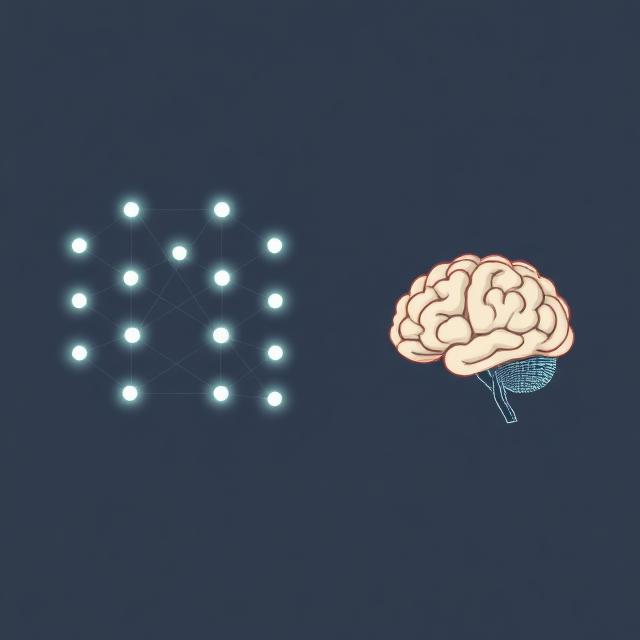
“Neural network” हा शब्द ऐकला की अनेकांना लगेच mathematics, equations, आणि complex diagrams आठवतात. पण प्रत्यक्षात neural networks ही कल्पना खूप सोपी आहे—ती आपल्या मेंदूच्या काम करण्याच्या पद्धतीवर आधारित आहे. जसं आपला मेंदू अनुभवातून शिकतो, तसंच machines सुद्धा data मधून शिकतात.
हा लेख story-style news analysis आहे जिथे आपण neural networks अगदी सोप्या उदाहरणांतून समजून घेऊ—brain analogy, daily life examples, layers कशा काम करतात, आणि real-world use cases काय आहेत.
मेंदूची analogy: Neurons कसे inspire करतात?
आपल्या मेंदूत neurons एकमेकांशी signals देतात. अनेक signals मिळून निर्णय तयार होतो. Neural network मध्ये सुद्धा nodes (neurons) layers मध्ये जोडलेले असतात.
Input, Hidden, Output layers म्हणजे काय?
Input layer data घेतो. Hidden layers pattern ओळखतात. Output layer निर्णय देतो.
सोपं उदाहरण: Email spam detection
Words, frequency, sender pattern input. Hidden layers pattern शिकतात. Output: spam किंवा not spam.
आणखी उदाहरण: Image recognition
Pixels input. Hidden layers shapes, edges, patterns शिकतात. Output: cat की dog.
Training म्हणजे काय?
Network ला बरोबर answers दाखवून weights adjust करणे.
Weights आणि bias सोप्या भाषेत
काही signals महत्त्वाचे, काही कमी. हेच weights.
Pros of neural networks
Complex patterns ओळखण्याची क्षमता, automation, accuracy.
Cons
Black box nature, data dependency, compute cost.
Use cases
Speech recognition, translation, recommendation systems, medical imaging.
Neural networks vs traditional programming
Rules लिहिण्याऐवजी examples देऊन शिकवणं.
Final thought
Neural networks कठीण नाहीत; फक्त वेगळ्या पद्धतीने विचार करायला शिकवतात. Data मधून शिकणं हीच त्यांची खरी ताकद आहे.
NeuralNetwork #MachineLearning #AIBasics #MarathiTech #AIसमजूनघ्या #DeepLearning #LearningAI #TechEducation #AIForBeginners