
AI Tabletop Exercise | Cyber Defense साठी Army आणि Industry एकत्र — युद्ध आता कीबोर्डवर लढलं जातंय
The U.S. Army partners with tech leaders for an AI tabletop exercise to simulate cyber warfare. Explore how AI is reshaping modern cyber defense strategy.
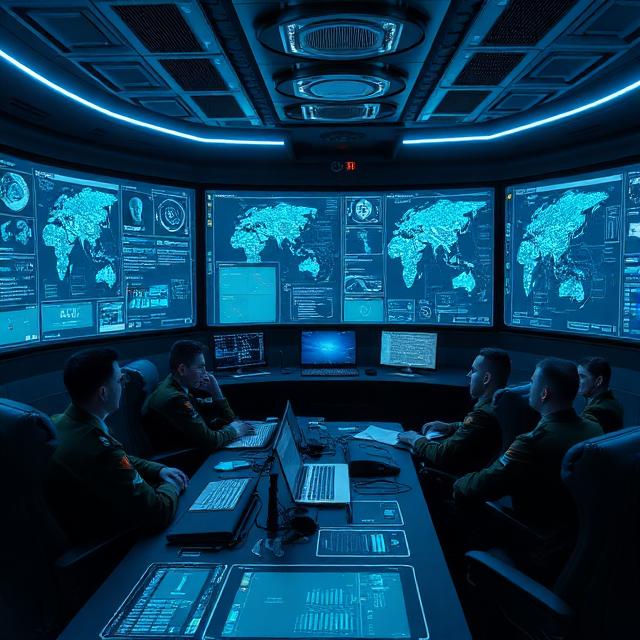
सकाळी एका मोठ्या conference room मध्ये शांतता आहे. टेबलाभोवती uniform घातलेले senior officers, त्यांच्या शेजारी suits मध्ये बसलेले tech industry चे executives, आणि समोर मोठ्या स्क्रीनवर एक simulation सुरू आहे. हे युद्ध नाही. पण हे युद्धाची तयारी आहे. गोळीबार नाही, टँक नाही, विमान नाही — पण तरीही battlefield real आहे. कारण battlefield आहे cyberspace.
ही घटना घडते जेव्हा United States Army उद्योग क्षेत्रातील तज्ज्ञांना एकत्र बोलावते आणि एक AI-powered tabletop exercise आयोजित करते — जिथे hypothetical cyber attack scenarios simulate करून पाहिले जातात. उद्देश एकच: भविष्यातील cyber युद्ध कसं असेल, आणि त्याला AI च्या मदतीने कसं तोंड द्यायचं?
ही साधी बैठक नाही. हा संकेत आहे की युद्धाची व्याख्या बदलली आहे. आता सीमा, भूप्रदेश, शस्त्रास्त्रे यांच्याइतकीच महत्त्वाची गोष्ट म्हणजे data, networks, algorithms आणि AI-driven decision systems.
Tabletop Exercise म्हणजे काय? आणि ते इतकं महत्त्वाचं का?
Tabletop exercise म्हणजे एक simulated strategic scenario. प्रत्यक्ष हल्ला नाही, पण हल्ल्याची कल्पना करून त्यावर response कसा असेल हे तपासणं. Cyber domain मध्ये हे अत्यंत critical आहे कारण इथे attacks invisible असतात, पण impact प्रचंड असतो.
या exercise मध्ये Army officers, cyber security experts, AI researchers, आणि tech companies चे प्रतिनिधी एकत्र येतात. मोठ्या स्क्रीनवर hypothetical attack दिसतो — power grid hack झालाय, communication network jam झालाय, satellite signals corrupt झालेत, banking transactions manipulate झालेत.
आणि मग प्रश्न विचारला जातो: What do we do in the first 5 minutes?
हीच ती जागा आहे जिथे AI चा role सुरू होतो.
AI का आवश्यक ठरतंय Cyber Defense मध्ये?
Cyber attacks millisecond मध्ये होतात. Human analysts ला logs वाचायला, patterns समजायला वेळ लागतो. पण AI real-time anomalies detect करू शकतं, pattern recognize करू शकतं, आणि automated response initiate करू शकतं.
AI systems network traffic मधील abnormal behaviour ओळखतात. Malware signatures evolve झाले तरी AI behavioural patterns पकडतो. Threat actor कुठून आला, कसं पसरतोय, पुढचा target काय असेल — हे AI seconds मध्ये calculate करू शकतो.
म्हणूनच या exercise चा केंद्रबिंदू AI आहे.
Army आणि Tech Industry एकत्र का?
Cyber battlefield हा purely military domain राहिलेला नाही. Networks, cloud systems, software infrastructure — हे सगळं private tech companies manage करतात. त्यामुळे defense strategy तयार करताना industry involvement आवश्यक आहे.
यात कंपन्या जसं की Microsoft, Google, आणि defense tech मध्ये काम करणाऱ्या Lockheed Martin सारख्या संस्थांचा सहभाग असतो. कारण cyber defense आता collaborative आहे.
Scenario: एक simulated cyber war
Exercise मध्ये दाखवलेला scenario असा असतो:
Enemy nation AI-generated phishing campaigns वापरून military कर्मचार्यांची credentials चोरतो. त्यानंतर AI malware autonomous पद्धतीने network मध्ये lateral movement करतो. Satellite communication मध्ये interference घडवतो. Battlefield intelligence corrupt करतो.
Human team panic मध्ये जाईल. पण AI defense system real-time mitigation सुरू करतो. Compromised nodes isolate होतात. Backup communication channels activate होतात. Threat intelligence auto-share होतं.
हा सगळा response AI orchestration मुळे शक्य होतो.
Comparison: Traditional Cyber Defense vs AI-Driven Defense
पूर्वी cyber defense reactive होतं. Attack झाला की logs तपासायचे, patch करायचं, forensic analysis करायचं.
AI-driven defense proactive आहे. Attack होण्याआधी unusual patterns detect होतात. AI predictive modeling वापरून संभाव्य हल्ले ओळखतो.
ही shift reactive पासून predictive कडे आहे.
Pros: या approach चे फायदे
AI cyber defense मध्ये speed आणतो. Accuracy वाढवतो. Human fatigue कमी करतो. Complex datasets मधून insights काढतो.
Tabletop exercise मुळे coordination improve होतं. Army ला industry capabilities समजतात. Industry ला military expectations कळतात.
Cons: Risks आणि चिंता
AI systems वर over-reliance धोकादायक असू शकतो. False positives critical systems shut down करू शकतात. AI manipulated झाला तर उलट परिणाम होऊ शकतो.
AI models explainable नसतील तर decision transparency कमी होते. Military domain मध्ये explainability महत्त्वाची आहे.
Pentagon level ची तयारी
ही exercises isolated नाहीत. Defense planning मध्ये याचा समावेश होतो. Cyber command centers, AI labs, strategic simulations हे सगळं Pentagon स्तरावर चालतं.
AI future warfare doctrine चा भाग बनत आहे.
Use Cases: Real world applications
Power grids, air traffic control, banking infrastructure, satellite networks — सगळीकडे AI cyber defense लागू होऊ शकतो.
Civilian infrastructure सुद्धा याचा फायदा घेऊ शकतो. Hospitals, telecom networks, financial exchanges — cyber attacks पासून सुरक्षित राहू शकतात.
Human + AI: Hybrid Defense Model
Final decision अजूनही human घेणार. AI suggestions देईल. Tabletop exercises चा उद्देश हा human-AI trust build करणं आहे.
Future Vision: War rooms without weapons
भविष्यात war rooms मध्ये maps पेक्षा dashboards जास्त असतील. Generals पेक्षा data scientists जास्त असतील. AI agents continuous monitoring करत असतील.
Cyber war silent असेल, पण त्याचा impact real असेल.
Conclusion: तयारी युद्धापेक्षा महत्त्वाची
ही story एका exercise ची नाही. ही story आहे future warfare ची.
जेव्हा Army आणि industry एकत्र येऊन AI च्या मदतीने cyber defense simulate करतात, तेव्हा ते दाखवतात की युद्धाची तयारी आता physical नसून digital आहे.
आणि कदाचित भविष्यात सर्वात मोठी लढाई बंदुकीने नाही, तर algorithm ने जिंकली जाईल.
#AICyberDefense #ArmyAI #CyberWarfare #AITabletop #DefenseTech #ThreatIntelligence #FutureWarfare
AIसायबरसुरक्षा #सेनाआणिAI #सायबरयुद्ध #डिफेन्सटेक #AIसुरक्षा #भविष्ययुद्ध