
American Factories AI Adopt करण्यात मागे का आहेत? आणि एक Drugmaker कसा ठरला अपवाद
American factories अजून AI adoption मध्ये मागे का आहेत? Smart manufacturing, predictive maintenance, pharmaceutical AI systems, workforce impact, आणि factory automation चे सखोल विश्लेषण.
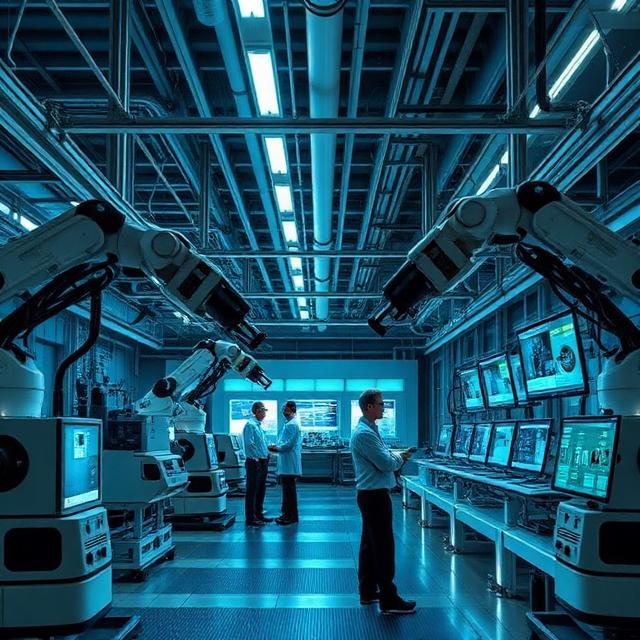
Artificial Intelligence बद्दल बोलताना आपण बहुतेक वेळा chatbots, self-driving cars, किंवा Silicon Valley startups बद्दल बोलतो. पण अमेरिकेच्या factory floors वर, जिथे machines, assembly lines, chemicals, आणि production schedules रोजच्या जगण्याचा भाग आहेत, तिथे AI ची क्रांती अपेक्षेपेक्षा खूपच संथ गतीने पुढे जात आहे.
अनेक experts ना वाटलं होतं की American manufacturing sector AI सर्वात आधी aggressively स्वीकारेल. कारण efficiency, automation, predictive systems, robotics — हे सगळं manufacturing शी naturally जुळतं. पण प्रत्यक्षात अनेक factories अजूनही decades-old software, manual processes, spreadsheets, आणि traditional automation वर चालतात.
मात्र या संथ ecosystem मध्ये एक pharmaceutical drugmaker वेगळा मार्ग निवडताना दिसतो आहे. त्यांनी AI ला केवळ experiment म्हणून नाही, तर core manufacturing strategy म्हणून स्वीकारायला सुरुवात केली आहे. आणि त्यामुळे संपूर्ण industry ला एक महत्त्वाचा प्रश्न पडतो आहे — “जर AI इतकं powerful असेल, तर बहुतेक factories अजून मागे का आहेत?”
Factory Automation आणि AI यातला फरक
सर्व automation म्हणजे AI नाही. अनेक factories मध्ये robotics आणि automation आधीपासून आहे. Conveyor belts, programmable machines, barcode scanners — हे traditional automation आहे.
AI त्यापेक्षा वेगळं आहे. AI systems data समजतात, patterns ओळखतात, predictions करतात, आणि काही प्रमाणात स्वतः निर्णय घेतात. उदाहरणार्थ, machine failure होण्याआधी warning देणे, production bottlenecks predict करणे, किंवा chemical process optimize करणे — हे AI चे काम.
हा transition “machines that follow instructions” पासून “machines that learn and adapt” कडे आहे.
American Manufacturing मागे का पडत आहे?
अनेक कारणं आहेत.
पहिलं कारण म्हणजे legacy infrastructure. अनेक American factories 20–30 वर्ष जुन्या systems वर चालतात. त्या systems मध्ये modern AI integrate करणे खूप महाग आणि complex असू शकते.
दुसरं कारण workforce culture आहे. Traditional manufacturing workers आणि managers AI कडे skepticism ने पाहतात. त्यांना वाटतं automation jobs कमी करेल.
तिसरं कारण data quality आहे. AI ला clean, structured, real-time data लागतो. पण अनेक factories मध्ये data fragmented असतो.
Drugmaker Industry वेगळी का आहे?
Pharmaceutical manufacturing मध्ये precision, compliance, आणि quality control खूप महत्त्वाचे असतात. एक छोटासा error लाखो dollars चं नुकसान करू शकतो किंवा patient safety वर परिणाम करू शकतो.
म्हणून काही drugmakers AI ला opportunity म्हणून पाहत आहेत. AI manufacturing batches monitor करू शकतो, anomalies detect करू शकतो, आणि production consistency improve करू शकतो.
या industry मध्ये AI म्हणजे luxury नाही; तो competitive necessity बनत चालला आहे.
AI Factory Floor वर प्रत्यक्ष काय करतो?
AI sensors कडून data घेतो. Temperature, humidity, vibration, pressure, chemical composition — हे सगळं real-time analyze होतं.
जर machine unusual vibration दाखवत असेल, तर AI predictive maintenance alert देतो. जर production line slow होत असेल, तर AI bottleneck identify करतो.
यामुळे downtime कमी होतो, waste कमी होतं, आणि output quality improve होते.
Use Case: Predictive Maintenance
Traditional factories मध्ये machine खराब झाल्यावर repair केला जातो. AI-enabled factories failure आधीच predict करतात.
ही approach especially pharmaceutical plants मध्ये महत्त्वाची आहे कारण unexpected shutdown expensive आणि risky असू शकतो.
Use Case: Quality Assurance
Drug manufacturing मध्ये प्रत्येक batch consistent असणं आवश्यक आहे. AI microscopic defects, contamination patterns, किंवा process deviations ओळखू शकतो.
Human inspectors थकू शकतात; AI continuous monitoring करू शकतो.
Use Case: Supply Chain Optimization
AI raw material demand predict करू शकतो, shipping delays analyze करू शकतो, आणि inventory efficiently manage करू शकतो.
COVID-19 pandemic नंतर supply chain resilience खूप महत्त्वाची झाली आहे.
Pros: AI Adoption चे फायदे
AI factories अधिक efficient बनवतो. Energy usage optimize होतो. Human error कमी होतो. Production faster आणि smarter बनतं.
Pharmaceutical industry मध्ये AI regulatory compliance improve करू शकतो कारण systems प्रत्येक step digitally track करतात.
Cons: High Cost आणि Complexity
AI adoption cheap नाही. Sensors, cloud infrastructure, data integration, cybersecurity, staff training — हे सगळं expensive आहे.
Small manufacturers साठी हा investment barrier मोठा आहे.
Workforce Fear: Jobs जाणार का?
हा सर्वात emotional प्रश्न आहे.
Workers ना वाटतं AI त्यांच्या जागी machines आणेल. काही repetitive jobs खरंच automate होऊ शकतात. पण दुसरीकडे AI operators, robotics technicians, data analysts, AI maintenance engineers अशा नवीन roles निर्माण होतात.
Transition painful असू शकतो, पण पूर्ण job destruction ची narrative नेहमी accurate नसते.
Comparison: Europe, China, आणि America
China aggressively smart factories मध्ये invest करत आहे. Europe industrial AI ला sustainability सोबत integrate करत आहे.
America innovation मध्ये strong असूनही large-scale factory modernization मध्ये uneven दिसतो.
Cybersecurity: Hidden Risk
Connected AI factories म्हणजे connected attack surfaces. जर hackers industrial AI systems target करू लागले, तर production disruption गंभीर ठरू शकते.
Pharmaceutical plants मध्ये cybersecurity national security issue बनू शकतो.
Regulation आणि Compliance
Drugmakers heavily regulated असतात. त्यामुळे AI systems explainable आणि auditable असणे आवश्यक आहे.
Regulators विचारतील — “AI ने हा decision का घेतला?”
Black-box AI pharmaceutical industry मध्ये सहज स्वीकारला जाणार नाही.
Human + AI Collaboration हा Future Model
Successful factories पूर्ण automation पेक्षा hybrid model वापरत आहेत. Humans oversight देतात; AI analysis आणि prediction करतो.
हा collaboration model अधिक practical दिसतो.
Why This Drugmaker Matters
हा drugmaker फक्त technology वापरत नाही; तो manufacturing mindset बदलतो आहे.
Factory म्हणजे केवळ machines नाहीत. ती आता data-driven intelligent ecosystem बनत आहे.
जर हा model यशस्वी झाला, तर इतर industries — automotive, food processing, electronics — सुद्धा AI adoption वेगाने सुरू करू शकतात.
The Bigger Economic Question
जर American factories AI adoption मध्ये मागे राहिल्या, तर global competitiveness वर परिणाम होऊ शकतो.
Future manufacturing केवळ cheap labor वर नाही, तर intelligent systems वर चालणार आहे.
Conclusion: Factory Floor वरची AI Revolution अजून सुरूच झाली आहे
AI manufacturing sector मध्ये overnight revolution घेऊन आलेला नाही. Reality अधिक complex आहे. Legacy systems, workforce fears, infrastructure cost, regulation — या सगळ्यांमुळे adoption slow आहे.
पण pharmaceutical sector मधील काही pioneers दाखवत आहेत की AI properly integrate केल्यास factories safer, smarter, आणि more resilient बनू शकतात.
ही फक्त automation ची गोष्ट नाही. ही industrial intelligence ची सुरुवात आहे — जिथे factories केवळ उत्पादन करत नाहीत, तर शिकतात, predict करतात, आणि evolve होतात.
##AIManufacturing #SmartFactory #IndustrialAI #PredictiveMaintenance #FactoryAutomation #PharmaAI #TechMarathi #AIRevolution #ManufacturingTech #AIमराठी #स्मार्टफॅक्टरी #IndustrialAutomation